
Personalized health diagnostics is transforming the way we approach healthcare, making it more tailored and effective for individual needs. Imagine a world where your health insights are as unique as your DNA, guiding you through preventive care and treatments with precision. This revolutionary approach leverages cutting-edge technology and data analytics to provide insights that can significantly improve patient outcomes.
As we delve deeper into this topic, we will explore the technologies driving personalized health diagnostics, the crucial role of home health care, and how health blogs and alliances contribute to this evolving field. From nutritional considerations to health equity, personalized health diagnostics are shaping the future of healthcare delivery.
Understanding Personalized Health Diagnostics
Personalized health diagnostics is an emerging field that tailors medical assessments to individual patients based on their unique genetic, environmental, and lifestyle factors. This approach enhances the precision of diagnoses and treatments, allowing healthcare providers to deliver more effective and individualized care.The technologies involved in personalized health diagnostics include genomic sequencing, bioinformatics, and artificial intelligence (AI). Genomic sequencing decodes a person’s DNA to identify genetic predispositions to certain conditions, while bioinformatics processes this complex data to yield actionable insights.
AI plays a pivotal role in analyzing vast amounts of health data to predict outcomes and suggest personalized treatment options.The impact of personalized health diagnostics on patient care is profound. It not only improves the accuracy of diagnoses but also allows for preventive measures tailored to individual risk factors. Patients benefit from targeted therapies that are more effective and have fewer side effects, leading to better overall health outcomes.
Role of Home Health Care in Personalized Diagnostics
Home health care services increasingly rely on personalized diagnostics to meet the specific needs of patients in their own environments. By integrating these diagnostics, healthcare providers can offer tailored care plans that consider each patient’s unique health profile.The benefits of personalized diagnostics in home health settings are numerous. They provide greater convenience for patients, reduce hospital visits, and enable continuous monitoring of health conditions.
This proactive approach helps in managing chronic diseases more effectively and ensuring timely interventions.Examples of home health care practices that integrate personalized diagnostics include remote health monitoring systems that track vital signs and smart health devices that provide real-time feedback to healthcare providers. These technologies empower patients to take an active role in managing their health.
The Importance of Health Blogs in Personalized Health
Health blogs serve as a valuable resource for educating the public about personalized health diagnostics. They offer insights into the latest developments in personalized medicine, helping readers understand how these innovations can impact their health.Anecdotal evidence plays a significant role in health blogs related to personalized diagnostics. Personal stories shared by individuals can illustrate the real-world benefits of personalized approaches, making the information more relatable and encouraging discussions among readers.Credible health blogs focusing on personalized health diagnostics include sources such as Health Affairs, The Health Care Blog, and The Health Ranger.
These platforms offer a mix of expert opinions, research findings, and personal experiences that contribute to a well-rounded understanding of the field.
Healthcare Alliances and Personalized Health
Healthcare alliances play a critical role in promoting personalized diagnostics by fostering collaborations among various stakeholders, including hospitals, research institutions, and technology firms. These partnerships facilitate the sharing of resources and knowledge, driving innovation in the field.Through strategic alliances, healthcare organizations can enhance the development and implementation of personalized diagnostic tools. For instance, collaborations between tech companies and healthcare providers have led to the creation of advanced diagnostic software that streamlines the analysis of patient data.Success stories of healthcare alliances driving personalized diagnostics include initiatives like the All of Us Research Program, which aims to gather health data from diverse populations to advance personalized healthcare.
These efforts not only improve diagnostic accuracy but also help tailor treatments to individual needs.
Nutritional Considerations in Personalized Health
Healthy food choices significantly influence personalized health diagnostics. Nutrition plays a crucial role in determining an individual’s health profile and can affect the outcomes of various diagnostic tests.Essential nutrients such as vitamins, minerals, and fatty acids have direct implications on health diagnostics. For example, deficiencies in certain vitamins can skew laboratory results, while a balanced diet can enhance overall health and optimize diagnostic accuracy.
| Health Condition | Recommended Nutrients | Sample Diet Plan |
|---|---|---|
| Heart Disease | Omega-3 fatty acids, Fiber | Grilled salmon, Quinoa salad |
| Diabetes | Low Glycemic Index Foods | Whole grain toast, Avocado |
| High Blood Pressure | Potasium, Magnesium | Spinach salad, Bananas |
Health Equity in Personalized Diagnostics
Health equity refers to the principle that everyone should have the opportunity to attain their highest level of health, which includes access to personalized health diagnostics. This concept is vital in ensuring that all populations benefit from advancements in personalized medicine.Achieving health equity through personalized diagnostics faces several challenges, including socioeconomic barriers, geographic disparities, and systemic inequalities in healthcare access.
These factors can limit the ability of underserved populations to receive timely and personalized care.Strategies to improve access to personalized health diagnostics for underserved populations include community outreach programs, mobile health clinics, and telehealth services that remove geographical barriers. By addressing these challenges, healthcare systems can work towards equitable access for all individuals.
Health and Fitness Integration
Personalized health diagnostics are reshaping health and fitness programs by providing tailored insights that inform individual fitness plans. These diagnostics help identify specific health conditions and fitness levels, enabling more effective training regimens.Examples of fitness plans tailored using personalized health diagnostics include workout routines designed based on metabolic profiles and dietary plans that consider individual health markers. This level of customization promotes better adherence and results.Technology plays a crucial role in tracking fitness levels related to health diagnostics.
Wearable devices and fitness apps collect data that can be analyzed to adjust exercise programs according to real-time health metrics, ensuring optimal outcomes for users.
Health Connectors and Personalized Health
Health connectors are essential in facilitating access to personalized diagnostic services. These professionals help bridge the gap between patients and healthcare providers, ensuring that individuals receive the personalized care they need.Effective health connectors possess key qualities such as strong communication skills, empathy, and a deep understanding of health systems. Their role is to guide patients through the complexities of personalized health services, making the process more manageable.By facilitating connections between patients and healthcare resources, health connectors enhance the overall experience of personalized health diagnostics, ensuring that individuals receive timely and relevant care tailored to their needs.
Managing Health Anxiety through Personalized Diagnostics
Personalized health diagnostics can be instrumental in alleviating health anxiety among patients. By providing clear and specific information about individual health risks, patients can gain a better understanding of their conditions and reduce uncertainty.Techniques for using diagnostics to address patient concerns include regular communication of results and educational resources that explain the implications of diagnostic findings. This proactive approach reassures patients and empowers them to take control of their health.Testimonials from individuals who have benefited from personalized diagnostics illustrate the positive impact on managing health anxiety.
Many report feeling more informed and less anxious, thanks to the tailored information and support received from healthcare providers.
The Role of Clinics in Personalized Health Diagnostics
Health clinics are pivotal in providing personalized diagnostics, offering a range of services that cater to individual patient needs. These clinics often serve as the first point of contact for personalized assessments and ongoing care.The processes involved in obtaining personalized diagnostics at clinics typically include initial consultations, detailed health assessments, and the use of advanced diagnostic tools to gather relevant data.
This comprehensive approach ensures accurate and effective diagnostics tailored to patients.A flowchart of the patient journey in personalized health diagnostic clinics includes steps such as appointment scheduling, initial assessment, diagnostic testing, results interpretation, and follow-up care. This structured process enhances patient experience and outcome.
Health Care Assistants and Their Role
Health care assistants play a critical role in supporting personalized health diagnostics by providing essential assistance to healthcare teams. Their responsibilities often include patient preparation for diagnostic procedures and gathering relevant health information.Training programs for health care assistants preparing them for personalized diagnostic roles emphasize skills in communication, technology use, and patient care. This training ensures they are equipped to handle the unique challenges of personalized diagnostics.Effective communication of diagnostic results to patients is vital.
Health care assistants can use clear language and supportive approaches to help patients understand their results, fostering a better patient-provider relationship and enhancing overall care.
Innovations in Health Diagnostics
The latest innovations in health diagnostics technology are transforming the landscape of personalized medicine. Advanced tools such as next-generation sequencing and point-of-care testing are at the forefront of these developments.These innovations contribute to personalized health diagnostics by enabling faster, more accurate assessments tailored to individual patients. For instance, next-generation sequencing allows for comprehensive genetic profiling, which can guide treatment decisions.Comparing traditional diagnostics with modern personalized approaches highlights significant advancements.
While traditional methods often rely on generalized assessments, personalized diagnostics focus on individual characteristics, leading to improved health outcomes and patient satisfaction.
Education in Health and Medical Sciences
Educational pathways for careers in personalized health diagnostics are expanding as the field grows. Institutions now offer specialized programs that prepare students for the complexities of personalized medicine.Ongoing education is crucial in advancing personalized health diagnostics. As technology and methodologies evolve, healthcare professionals must stay current with the latest developments to provide the best care possible.Examples of institutions offering specialized programs in health diagnostics include universities with dedicated health science faculties and online platforms that provide courses in genomics and personalized medicine.
These educational opportunities foster a skilled workforce ready to tackle the challenges of personalized health.
Health and Medical Insurance Implications
Personalized health diagnostics have significant implications for health insurance coverage. As these services become more prevalent, insurance policies are adapting to accommodate personalized health needs.Insurance policies are increasingly recognizing the value of personalized health services, leading to changes in coverage that include genetic testing and tailored treatment options. This shift reflects a growing understanding of the importance of individualized care in improving health outcomes.Patients navigating insurance for personalized diagnostics should be aware of their options.
Recommendations include understanding policy details, seeking pre-authorization when necessary, and advocating for coverage of essential diagnostic services.
Health and Safety in Personalized Care
Health and safety protocols in personalized health diagnostics are essential to ensure patient well-being. These protocols help mitigate risks associated with diagnostic procedures and maintain high standards of care.A checklist of safety measures to consider in personalized health settings includes ensuring equipment sterilization, verifying patient identities, and conducting thorough pre-procedure assessments. Implementing these measures is crucial for maintaining safety standards.Case studies illustrating the outcomes of effective health and safety strategies demonstrate the positive impact on patient care.
Clinics that prioritize safety protocols report lower rates of complications and higher patient satisfaction.
The Future of Personalized Health Diagnostics
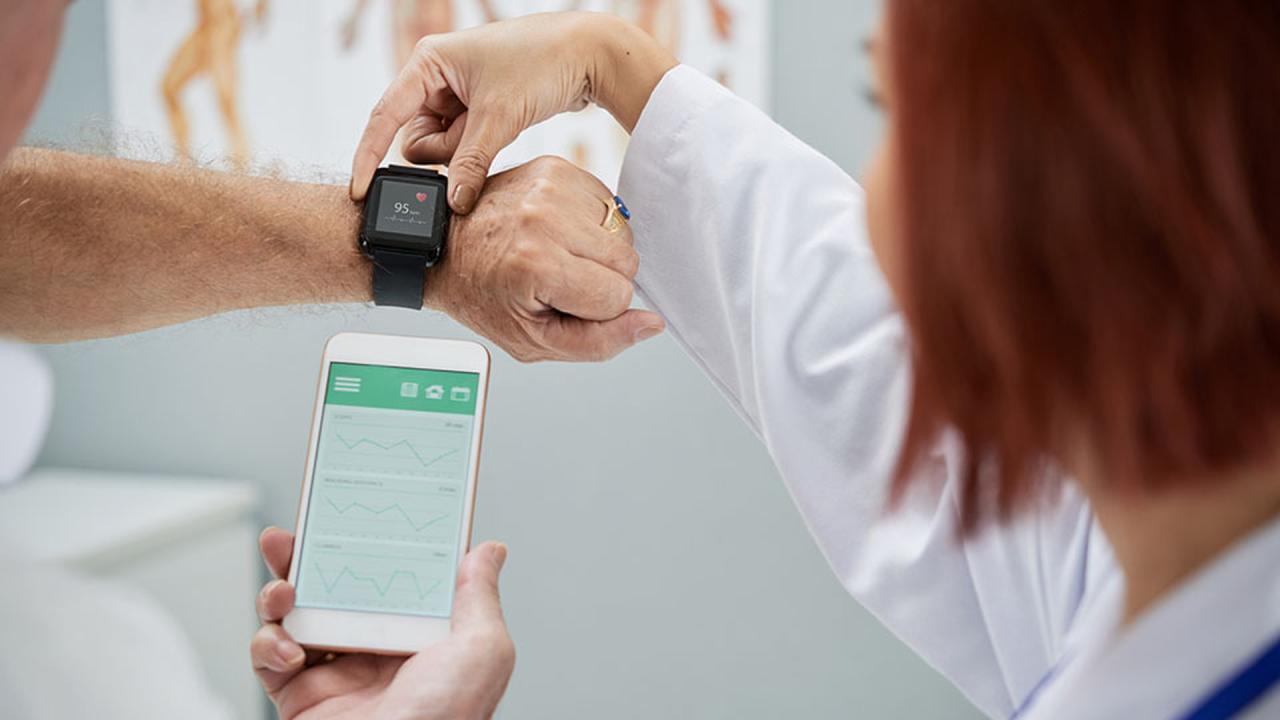
Trends shaping the future of personalized health diagnostics include advancements in artificial intelligence, genomics, and telemedicine. These developments promise to enhance diagnostic accuracy and facilitate broader access to personalized care.Potential ethical considerations of personalized diagnostics advancements include issues of data privacy, informed consent, and equitable access to technologies. Addressing these concerns will be vital in maintaining public trust in personalized healthcare.Key players and organizations leading the way in personalized health innovations include major healthcare institutions, biotechnology firms, and research organizations.
Their collaborations are paving the way for a future where personalized diagnostics become the standard in healthcare, ensuring improved outcomes for all patients.
Ultimate Conclusion
In conclusion, personalized health diagnostics is not just a trend; it’s a fundamental shift in how we understand and manage health. By integrating various elements such as home care, technology, and patient education, we are on the brink of a healthcare revolution that champions individual needs and enhances overall wellness. As we continue to navigate this dynamic field, the potential for improved health outcomes and patient satisfaction is immense.
Question Bank
What is personalized health diagnostics?
Personalized health diagnostics refers to tailored healthcare assessments and interventions based on an individual’s unique genetic makeup, lifestyle, and health history.
How does technology impact personalized health diagnostics?
Technologies such as genomics, bioinformatics, and data analytics play a crucial role in analyzing health data to provide individualized insights.
What are the benefits of personalized health diagnostics?
Benefits include improved accuracy in diagnosis, targeted treatments, and enhanced patient engagement in their health management.
How can I access personalized health diagnostics?
Many healthcare providers and specialized clinics offer personalized diagnostics; discussing options with your primary care physician is a good start.
Are personalized health diagnostics covered by insurance?
Coverage may vary based on your insurance plan; it’s advisable to check with your provider regarding specific services related to personalized health diagnostics.


